
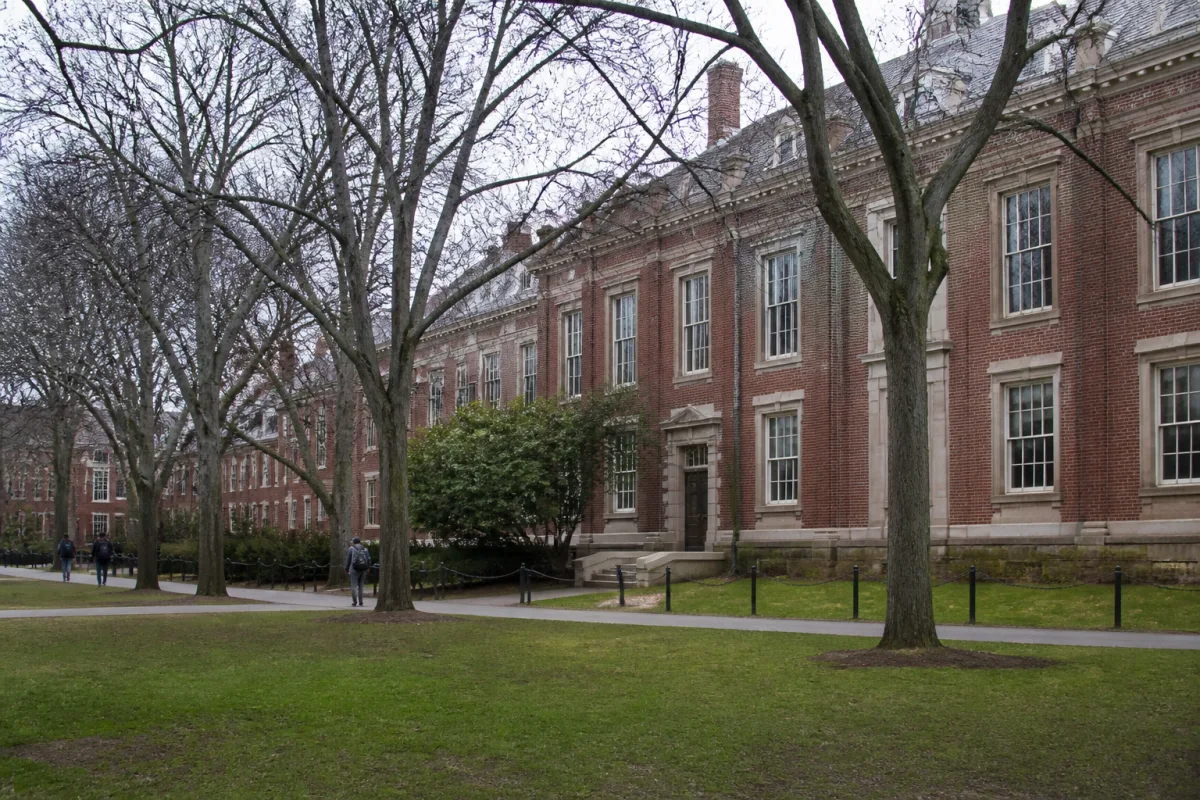
Cap-Exempt H-1B: How to Get a US Work Visa Without the Lottery
Universities, their affiliated nonprofits, research institutes, and national labs are exempt from the H-1B lottery. Here's how concurrent employment makes it work.
VisaProAdviserVisas, migration and life abroad
Work visas compared: US H-1B, L-1 and H-4 EAD, Canadian permits without an LMIA, Australian employer sponsorship and Polish work permits via e-konsulat.
53 articles tagged Work Visa
Universities, their affiliated nonprofits, research institutes, and national labs are exempt from the H-1B lottery. Here's how concurrent employment makes it work.
Skilled work visa, Global Talent visa, study, partner visa, or business immigration — five legal routes to Australia with real costs and pitfalls of each.
Why you should apply for the 482 work visa or the 186 permanent visa in Australia right now: fewer places, changes to occupation lists, and a growing queue.
ILR may rise from 5 to 10-15 years, the Graduate visa shortens to 18 months, and sponsor-search time doubles to 6 months. Here's what's confirmed.
How to get an O-1 visa as an IT developer: talent criteria, common mistakes, and the role of recommendation letters in approval
15+ Canada job fairs from Vancouver to Toulouse and Rabat: dates, in-demand jobs, who can attend, and how a job offer now boosts your Express Entry score.
A work visa ties the right to work to an employer, an occupation or a skill level. The H-1B covers specialty occupations that need a degree, the L-1 covers transfers within one company, and the O-1 covers people with extraordinary ability.
The type of visa decides whether a spouse can work, what happens after a job loss, and whether the visa can lead to permanent residence.
The H-1B cap is 65,000 visas a year plus 20,000 for holders of US master's degrees, and petitions are selected through a registration process. The L-1 has no cap but requires a genuine related company abroad and a year of employment there. Spouses of H-1B workers hold H-4 status and can work only in certain cases with an H-4 EAD, while L-2 spouses are authorised to work by their status. Canada's post-graduation work permit (PGWP) is an open permit, unlike the employer-specific permits common in Canada and Australia.