
Politics
Five Rules of Conduct If an ICE Officer Knocks on Your Door
How to act if immigration authorities arrive: don't open without a warrant, stay silent, demand a lawyer, memorize phone numbers, don't resist.
Founder Route| Oct 23, 2026
 VisaProAdviser
Visas, migration and life abroad
What elections, parties and bills change for migrants: the AfD and 'remigration', Polish opposition proposals and the US administration's course.
How to act if immigration authorities arrive: don't open without a warrant, stay silent, demand a lawyer, memorize phone numbers, don't resist.

In 2026, Europe strengthens control over refugees but opens doors to skilled professionals, entrepreneurs, and remote workers. A breakdown of the EU's new visa strategy.
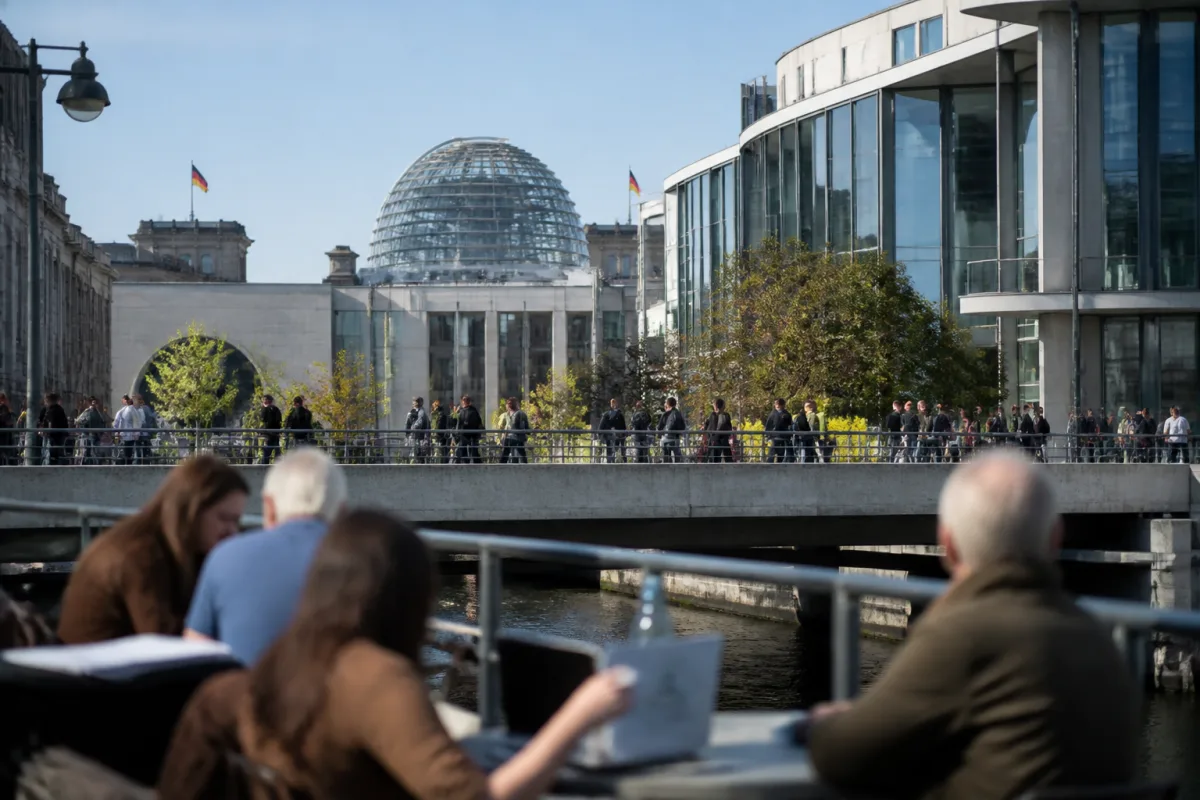
The CDU faction is discussing tighter naturalization rules in Germany: ending dual citizenship and raising language requirements. Here's what the law currently says.
How to act if immigration authorities arrive: don't open without a warrant, stay silent, demand a lawyer, memorize phone numbers, don't resist.
In 2026, Europe strengthens control over refugees but opens doors to skilled professionals, entrepreneurs, and remote workers. A breakdown of the EU's new visa strategy.
The CDU faction is discussing tighter naturalization rules in Germany: ending dual citizenship and raising language requirements. Here's what the law currently says.

How instructions—not an officer's personal opinion—shape case reviews in Canada's immigration divisions. A look at Quebec's approach compared to the federal level.

RBC published a report on Canadian immigration crisis. Falling public trust, policy instability, Express Entry problems and reform recommendations.
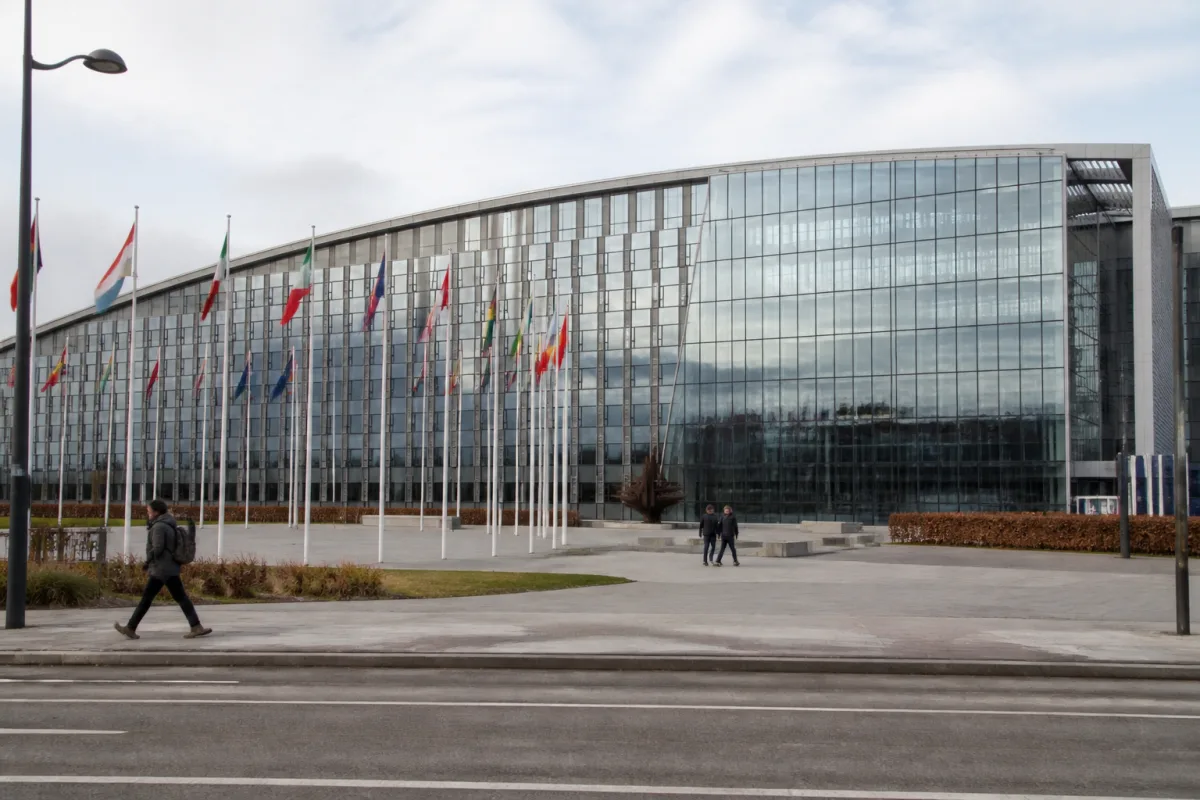
Slovakia's PM said his country won't take part in NATO's collective defense and won't send troops to help other alliance members if attacked.
Politics reaches migrants through laws on residence, welfare, deportation and access to citizenship. Decisions by parties and governments are therefore judged here by one test: what they change in practice for people holding visas, residence permits or temporary protection.
Campaign pledges and binding rules are kept apart, because a party statement is not a law and a new law does not always change things overnight.
In parliamentary systems such as Germany and Poland, parties rarely govern alone, so one party's pledges are usually softened in coalition. Laws on foreigners pass through several stages, from bill and vote to signature and publication, and can be changed or stopped at each one. In Poland the president can veto a bill, and the Sejm can override the veto only with a three-fifths majority. In the US much of immigration policy is set by executive orders and agency rules, which federal courts can suspend.