


The U.S. immigration process, according to legal practitioners, is no longer linear: requests for evidence are no longer sent by email through the Emma assistant, appeals to the Board of Immigration Appeals are now discouraged, and processing times can stretch for years. Instead of simply meeting formal requirements, applicants now need additional channels and tactics, not just knowledge of the law.
Requests for Evidence: How to Get One If No Letter Arrives
Previously, a Request for Evidence (RFE) was usually duplicated on paper and mailed to the address listed in the petition or correspondence. The letter could get lost, so it used to be possible to message the Emma assistant, who would transfer the conversation to U.S. Citizenship and Immigration Services staff. They would send the RFE by email, often the same day.
Now this procedure has changed. Emma, where still available, no longer sends documents by mail. To obtain documents that haven’t arrived, applicants now have to request them through separate requests and forms. In the case described, waiting for a response to an RFE took 16 business days. Since the response deadline is limited, this consumes about half of the time originally given.
Appeals: Why They Are Now Discouraged
Previously, the appeals process in the U.S. was complex, but decisions made on a case were rarely challenged, since court practice and precedents set a single standard.
Now the Board of Immigration Appeals has been downsized, its staff and the filing and review procedures for appeals have changed, and part of the body’s accountability has been removed. According to practitioners’ observations, it now seems to answer to no one. For this reason, filing an appeal is currently not recommended: it wastes time and also involves significant financial costs, including the government filing fee paid to the U.S. Treasury. Refiling under a different category is considered practically more productive.
Cases That Drag On for Years
Recently, decisions have been appearing on cases filed in 2021, 2022, and 2023. Regular inquiries are sent, but the agency’s website states that for the EB-2 NIW category, decisions are made in 80% of cases within 25 months. The problem is that the applicant doesn’t know whether their case falls within that 80% or the remaining 20%. If a decision hasn’t come through, it’s more likely the case is among the last 20%.
Contacting the ombudsman’s office, according to practitioners, is also a lengthy process and has not produced a productive result.
Why Feedback Has Become Abstract
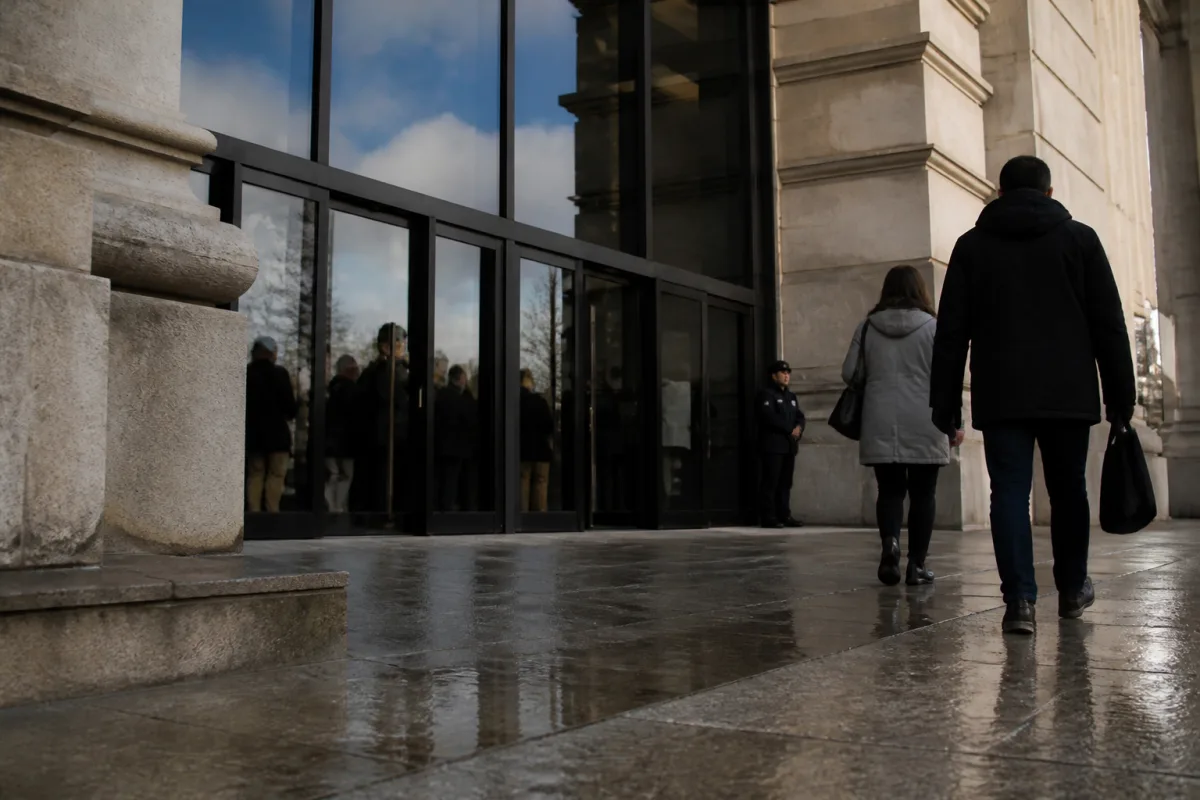
According to practitioners, under the Biden administration and the first Trump administration, U.S. Citizenship and Immigration Services provided feedback that applicants could actually act on. Now responses are limited to texts of federal statutes, guides, or internal memos, forcing applicants to guess the reasons and test hypotheses on their own case.
In such an environment, knowledge of channels and leverage is needed to get a decision made where it’s supposed to be made, without additional pressure.

Comments
Reader experience is useful, but it is not advice: check the rules on the official site.
No account needed: click Sign in, type any name, and you are done.