
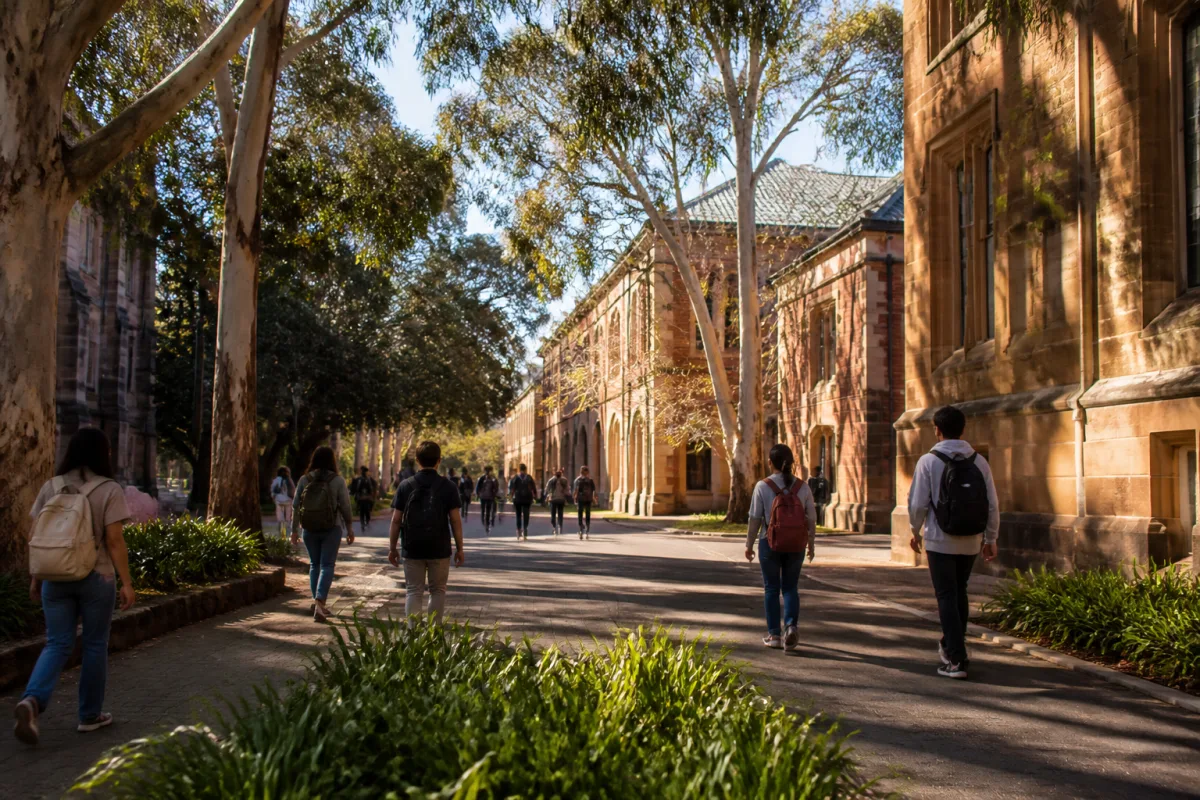

Australia has scrapped the surcharge for paying by credit or debit card when applying for a student visa: previously, on a 2,500-dollar fee, about 100 dollars in extra costs added up. Students also no longer have to undergo a medical examination, which means no need to travel to the city where it is carried out. According to a source, against this backdrop there have been no offshore visa refusals this year.
What changed in application costs
The Australian government has abolished the surcharge for using a credit or debit card. When applying for a visa, a 2,500-dollar fee used to come with an extra 100-dollar charge. Now this money no longer has to be paid. For a student who submits documents independently, this is about 600 dollars in savings including the fee.
Medical examination is no longer mandatory
Students no longer have to undergo a medical examination. Previously this was a significant expense not only because of the procedure itself but also because of the trip: applicants from remote regions had to travel to a city with a medical clinic. Now this necessity falls away.
Refusals and application markets
Difficulties in obtaining a visa mainly concerned the South Asian market: India, Pakistan, Nepal, where refusals were numerous. According to the source, refusals for offshore visas are now isolated cases. Onshore decisions can be challenged through the tribunal, but there is no tribunal for offshore applications, so a refusal here is especially painful. This year there were no refusals from outside the country.
Previously, students from the subcontinent were disproportionately numerous, while there were fewer from Europe, Latin America and other regions. According to the source’s observations, the situation is evening out, and applicants, especially those entering universities, are receiving visas.
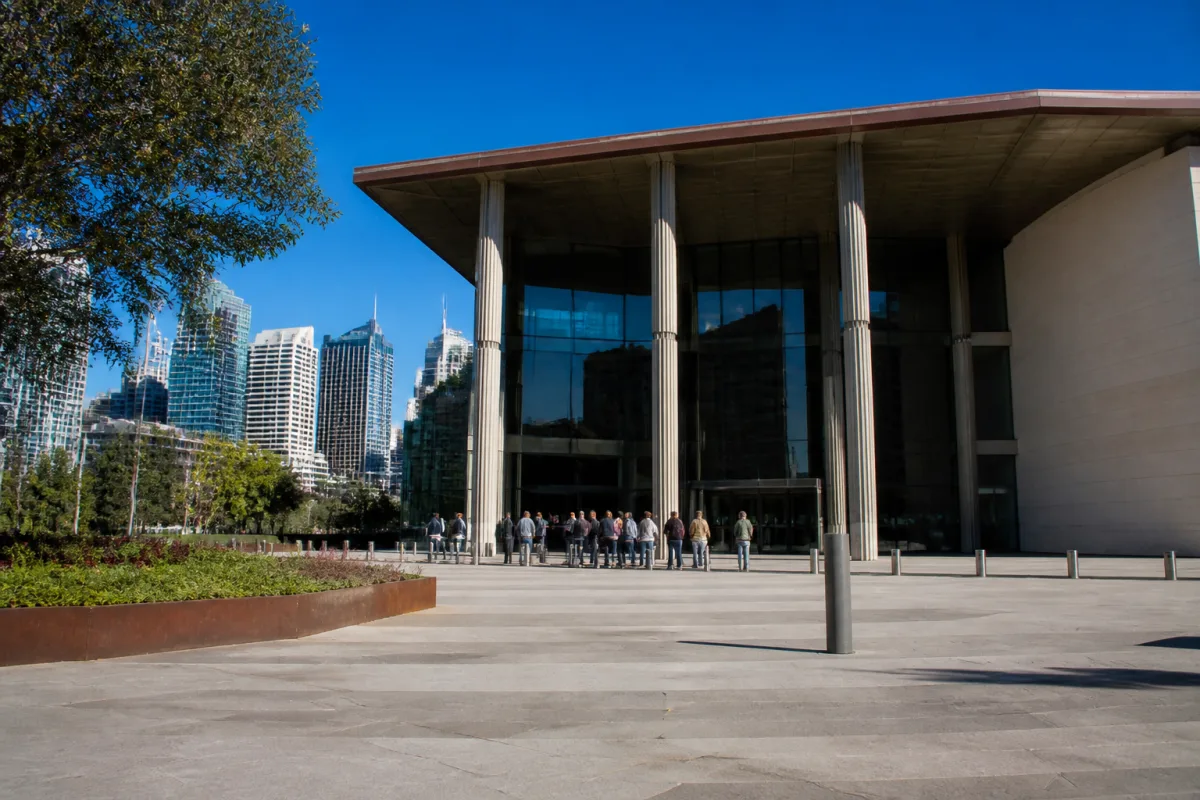
Programs and tuition costs
Among the affordable options, Kings Own Institute is mentioned. The business school covers management, business, project management, accounting and finance, and has a block on information technology and a faculty of languages. Compared with 2014, tuition costs have fallen, and bachelor’s degrees and MBAs have become cheaper. The MBA as a programme has existed for about four years.
The immigration changes themselves push towards a higher level of education and better English. At the same time, one can study in the home country and then come for higher education or doctoral studies, including after the age of forty, when age requirements are softer. Education leads to employment and sponsorship, which in Australia are linked to immigration.


Comments
Reader experience is useful, but it is not advice: check the rules on the official site.
No account needed: click Sign in, type any name, and you are done.