
Politics
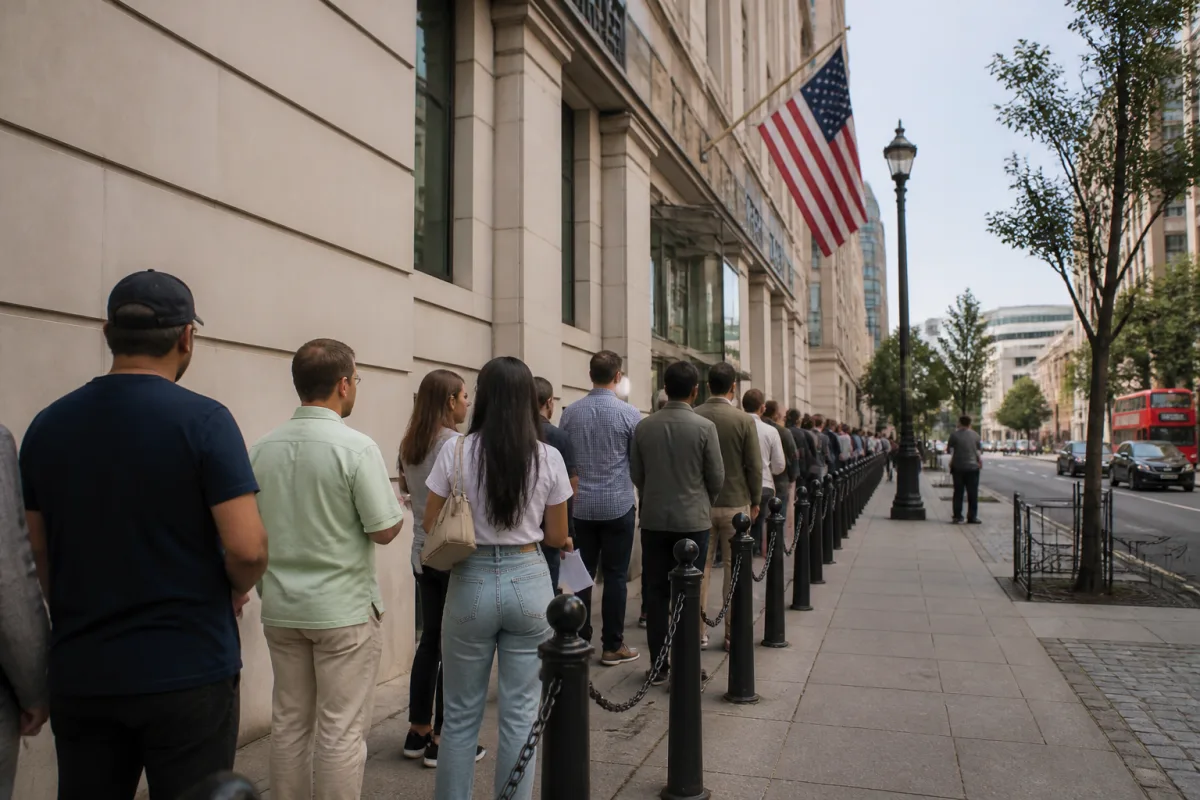
Five Rules of Conduct If an ICE Officer Knocks on Your Door
How to act if immigration authorities arrive: don't open without a warrant, stay silent, demand a lawyer, memorize phone numbers, don't resist.
Founder Route| Oct 23, 2026
 VisaProAdviser
Visas, migration and life abroad
US travel and tourist visas plus immigrant visas: B1/B2 interviews, DS-160 and DS-260 forms, consular processing delays and EB-1A cases after a USCIS denial.
14 articles tagged US visa
How to act if immigration authorities arrive: don't open without a warrant, stay silent, demand a lawyer, memorize phone numbers, don't resist.
Green Card lottery win doesn't guarantee a visa: Case Number queue, deadlines, education and work experience requirements, police clearance certificates, and family expenses.
L1 visa for owners of foreign companies: business requirements, processing times, and conditions for extending status up to 7 years.
Why an opened joint account looks like fraud to a visa officer and how to use it correctly before applying for an immigration visa.
USCIS account setup, middle name vs. patronymic, choosing AOS office or consulate, marriage evidence — a screen-by-screen walkthrough of Form I-130.
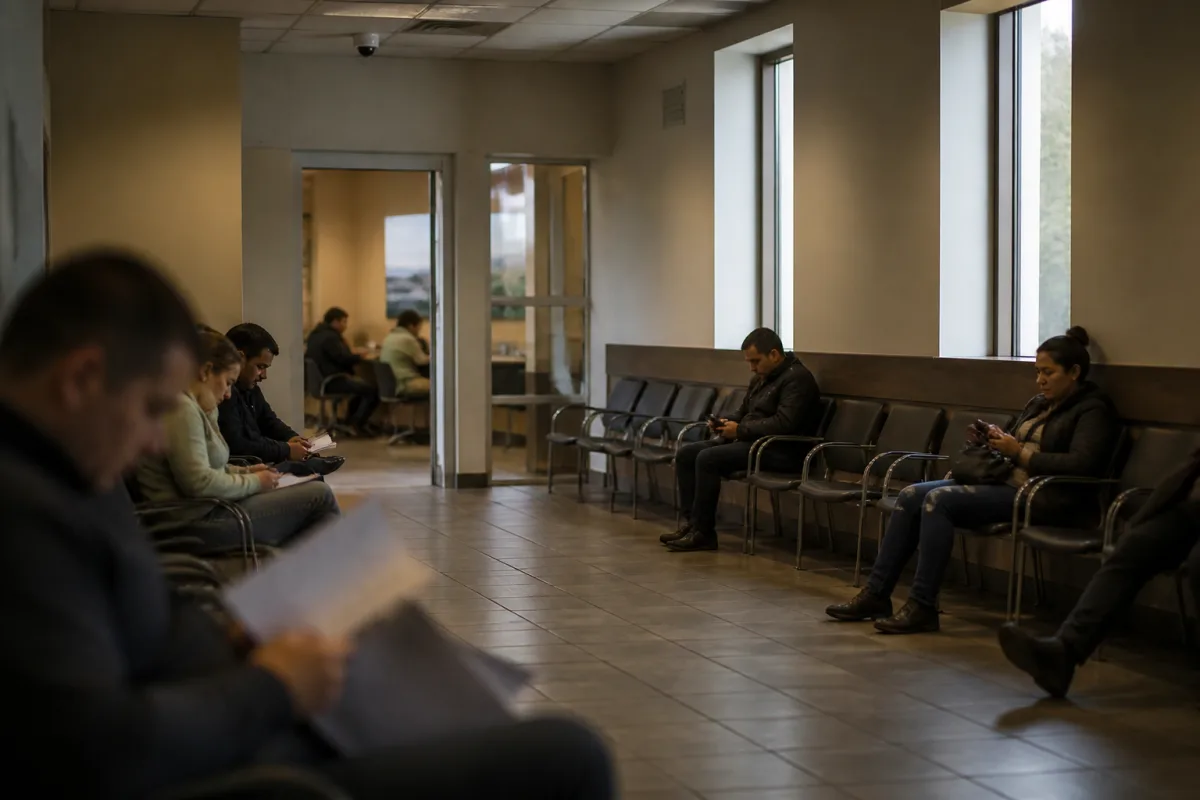
A "refused" status under 221(g) isn't a final denial — it's a pause. Here's why visas get flagged, how long it takes, and what you can do.
US visas fall into two groups: nonimmigrant visas for a temporary purpose such as tourism, business or study, and immigrant visas that lead to permanent residence. Visas are issued by US embassies and consulates under the Department of State, while US Customs and Border Protection makes the final decision on admission at the port of entry, so a visa is permission to request entry rather than an entitlement to it.
The B1/B2 visitor visa covers business trips and tourism, and applicants file the online DS-160 before a consular interview. Under Section 214(b) of the Immigration and Nationality Act, officers presume every visitor intends to immigrate, so the applicant must show ties that make a return home credible. A 214(b) refusal cannot be appealed, but the applicant may reapply when circumstances change.
Most immigrant visas begin with a petition approved by USCIS, such as Form I-130 for family or Form I-140 for employment, after which the case moves to the National Visa Center and the applicant files the DS-260. A medical exam by a panel physician and an interview follow, and a case can be held for administrative processing under Section 221(g). When USCIS denies a petition like EB-1A, one option is a lawsuit in federal court under the Administrative Procedure Act.