
News
Australia's 2027 Student Visa Changes: What's Already in Effect
Partners can no longer apply alongside most student visa applicants, and refusals now cite "non-genuine student." What changed as of November 2026.
Skilled Alert| Nov 1, 2026
 VisaProAdviser
Visas, migration and life abroad
Family immigration cases: spouse visas for Germany, US I-130, I-485 and I-751 filings, Canadian partner status and bringing children on Australian visas.
10 articles tagged Family Immigration
Partners can no longer apply alongside most student visa applicants, and refusals now cite "non-genuine student." What changed as of November 2026.

USCIS takes 12–16 months to process I-130 petitions. If you've waited longer, you can file a mandamus lawsuit now, without waiting for the posted deadline.

Filing from Manila: PSA-DFA-VFS legalization from €36, sponsor income from €1,500/month, insurance and housing proof — the full document checklist.
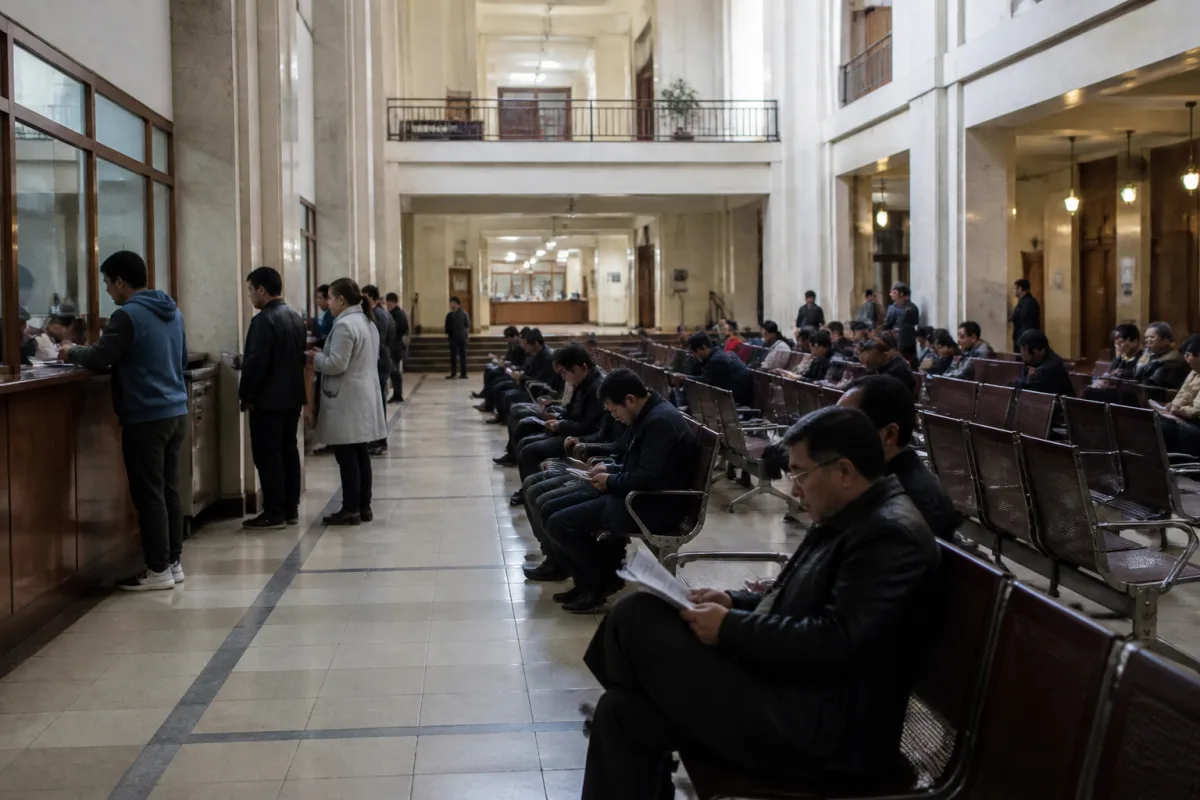
No: a new affidavit describing the same visit differently than the earlier I-130 letter reads to a USCIS officer as a lie — in one statement or the other.

How to prove you were unaware and challenge de facto partner status in a Canadian immigration application if you never gave consent to the procedure.
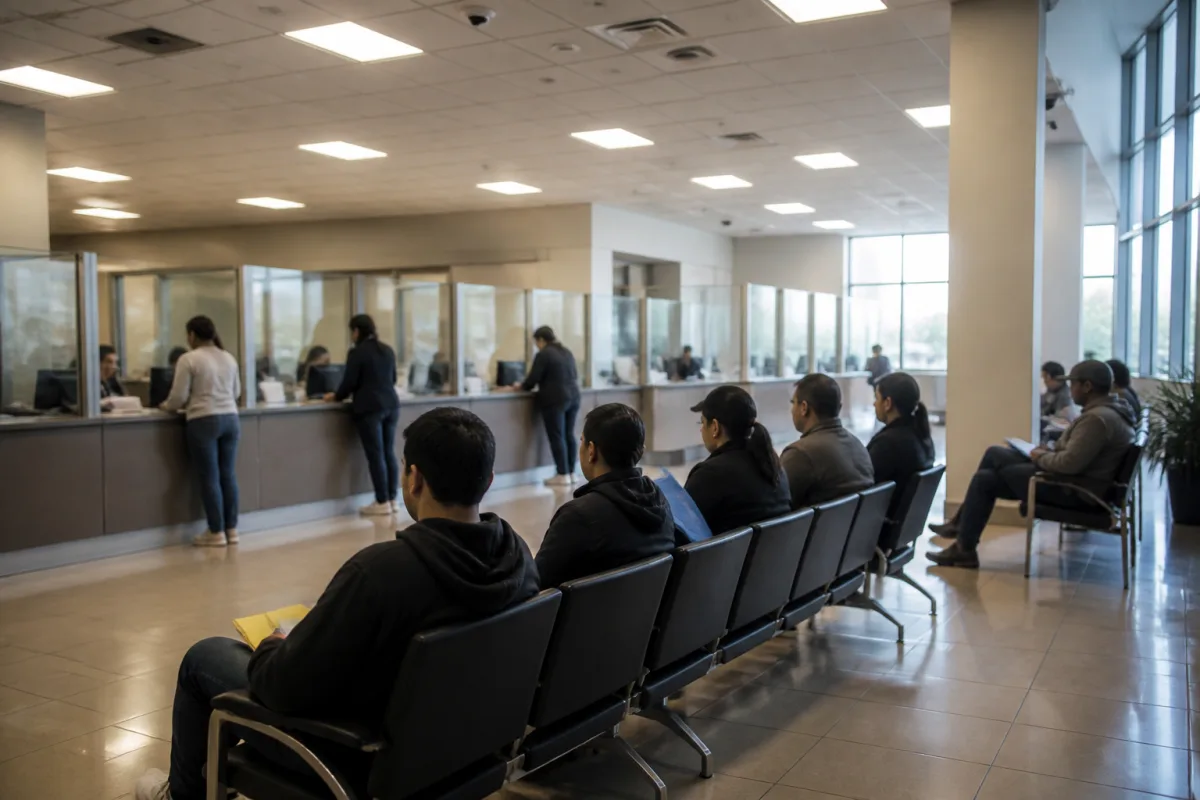
What to do when USCIS approves your I-130 but denies the I-485, and a notice to appear arrives. Court defense, voluntary departure, and consular processing options.
In the United States, a citizen or lawful permanent resident starts the process by filing Form I-130, Petition for Alien Relative, with USCIS. An approved I-130 confirms the qualifying relationship but does not by itself grant any status. The relative then seeks a green card either through adjustment of status on Form I-485 while inside the country or through consular processing via the National Visa Center and a US consulate abroad.
When a green card is based on a marriage less than two years old at the time residence is granted, the immigrant spouse receives conditional residence for two years, and the couple must file Form I-751 to remove the conditions, normally together in the 90 days before the card expires. After divorce, abuse or extreme hardship, the immigrant spouse can request a waiver of the joint filing requirement, and sworn letters from friends and relatives are a common way to show the marriage was genuine. The petitioner also signs Form I-864, Affidavit of Support, a legally enforceable promise to support the sponsored relative financially.
Other countries follow their own rules: Canada's IRCC accepts sponsorship of spouses, common-law partners and conjugal partners, while Germany's family reunification generally asks a joining spouse to show adequate housing, secured income and, in many cases, basic German. In every system, statements made in earlier filings stay on record, so inconsistent affidavits or relationship details are a frequent reason for refusals.