When to Apply for a US Visa: Timelines for Tourist, Work, and Student Visas
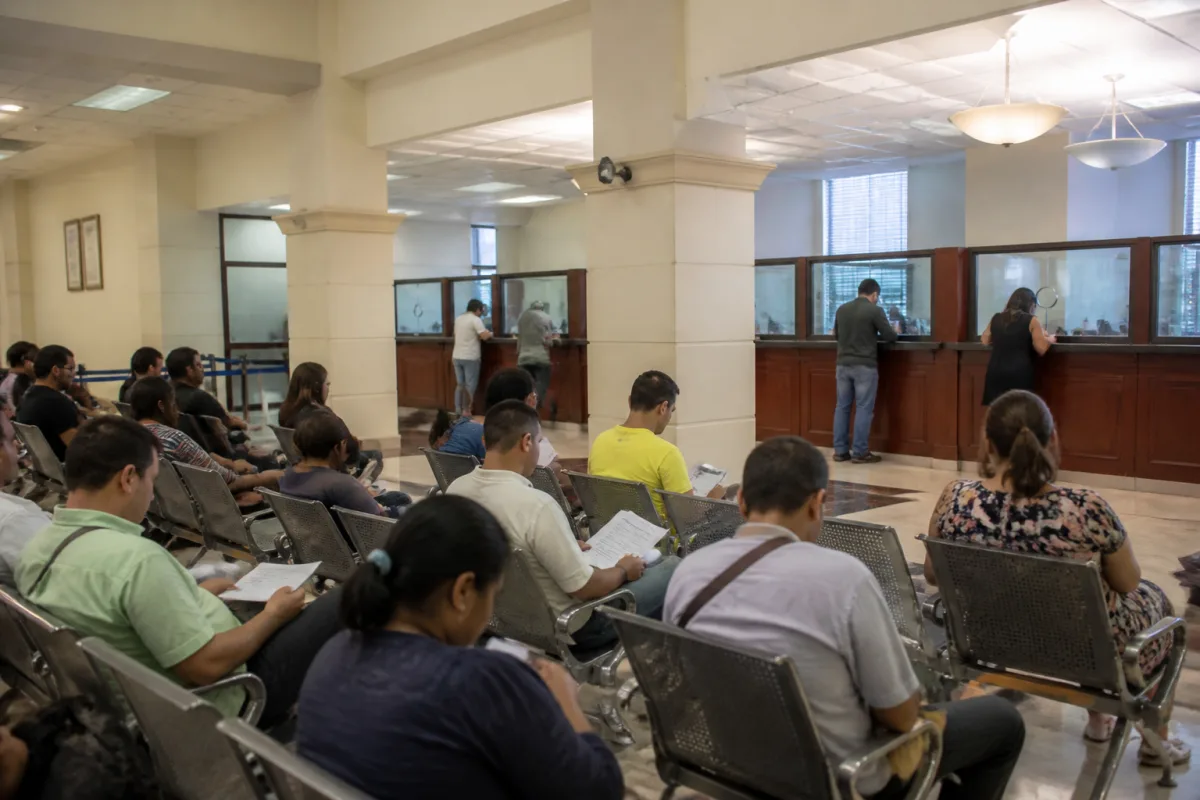
Since September 2025, interviews happen only in your home country, and waits now stretch for months. Here's when to start for B1/B2, H-1B, F and J visas.
VisaProAdviserVisas, migration and life abroad
The DS-160 form for US visas: filling it field by field, fixing errors and changed details, and keeping answers consistent at B1/B2, H-1B or J-1 interviews.
9 articles tagged DS-160
Since September 2025, interviews happen only in your home country, and waits now stretch for months. Here's when to start for B1/B2, H-1B, F and J visas.
What trips up doctors at the J-1 visa interview: funding questions, B-1/B-2 trips to the US, and proving you'll return home after residency.
Job, travel dates, or purpose changed after filing DS-160? Here's how consular officers weigh changes and how to prepare honest answers for your interview.
Skipping a country where you lived over six months on DS-160 counts as misrepresentation. It can resurface at naturalization or I-751. Here's a real case.
A 214(b) refusal is impossible for H-1B thanks to dual intent, but the officer can still deny under 221(g) if petition facts don't check out. Here's how to prepare.
The officer decides in 2 minutes. Show concrete commitments — a job, a signed contract, a dated event after your return — not just family ties.
DS-160 is the Online Nonimmigrant Visa Application that the US Department of State uses for temporary visas such as B1/B2, F-1, J-1 and H-1B, as well as the K-1 fiancé visa. It is completed in English on the Consular Electronic Application Center (CEAC) website and signed electronically, a step that certifies every answer is true. Applicants for immigrant visas file the DS-260 instead.
Once submitted, the form cannot be edited. If details change or an error turns up, the usual fix is to complete a new DS-160 and bring that confirmation page, with its barcode, to the consular interview. The officer has the form on screen and compares it with the applicant's answers, so gaps or contradictions draw questions.
A willful false statement or an omitted material fact can be treated as misrepresentation under INA section 212(a)(6)(C)(i), a ground of inadmissibility that may resurface in later green card or naturalization filings.